
Introduction
In today’s hyperconnected world, businesses can no longer rely solely on traditional marketing methods to stay relevant and competitive. Digital marketing has evolved into an essential strategy for reaching customers, building brand awareness, and driving business growth—whether you’re a startup or an established enterprise.
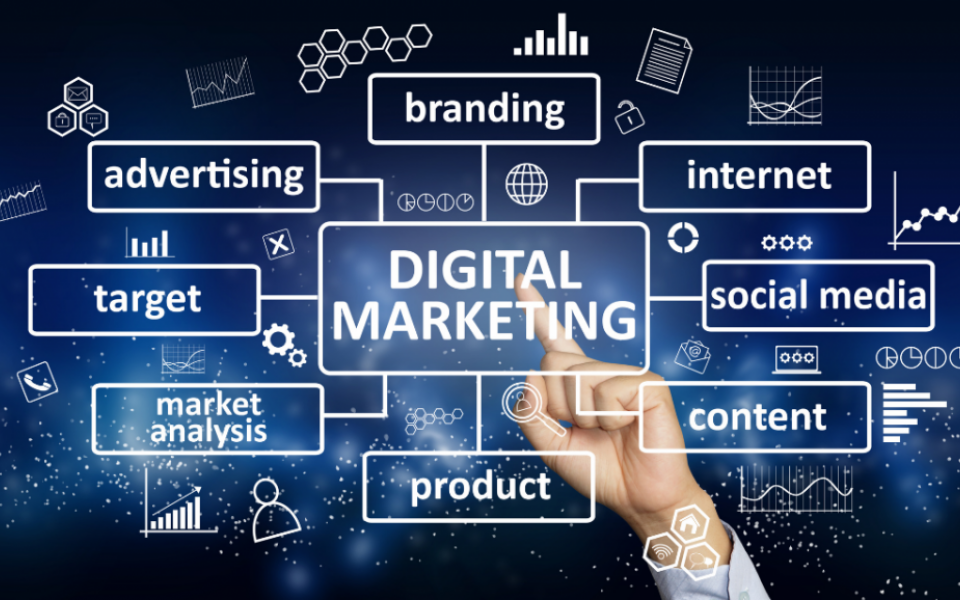
1. What is Digital Marketing?
Digital marketing refers to all marketing efforts that use electronic devices and the internet. It includes channels like search engines, social media, email, websites, and mobile apps to connect with potential customers.
2. Why is Digital Marketing Important for Businesses?
- Cost-Effective: Compared to traditional marketing, digital campaigns often cost less and offer better ROI. Even with a modest budget, brands can run targeted ads and measure real-time performance.
- Measurable Results: With tools like Google Analytics and Meta Ads Manager, you can track everything—from impressions and clicks to conversions and revenue.
- Customer Targeting: Digital platforms allow businesses to reach highly specific audience segments based on interests, behaviors, demographics, and location.
- Higher Engagement: Brands can interact directly with consumers via comments, messages, or polls—building stronger relationships and trust.

3. Key Channels in Digital Marketing
- Search Engine Optimization (SEO): Helps your website rank higher in search results to increase organic traffic.
- Pay-Per-Click Advertising (PPC): You pay only when someone clicks on your ad—ideal for instant visibility.
- Content Marketing: Valuable blogs, videos, and infographics help attract and educate your audience.
- Social Media Marketing: Platforms like Instagram, LinkedIn, and Facebook offer dynamic ways to build communities.
- Email Marketing: Great for nurturing leads and maintaining customer relationships.
4. Trends to Watch in 2025
- AI in Marketing: Tools like ChatGPT and marketing automation are transforming customer experiences.
- Voice Search Optimization: With more people using smart assistants, businesses must optimize for conversational queries.
- Video-First Strategy: Short-form videos on platforms like YouTube Shorts, Instagram Reels, and TikTok are dominating.
5. How to Build an Effective Digital Marketing Strategy
A successful digital marketing campaign isn’t just about being present online—it’s about being strategically present. Here’s how businesses can craft a powerful strategy:
1. Set Clear Goals
Every digital effort should begin with a goal. Are you trying to build brand awareness, generate leads, increase sales, or retain existing customers? Your goal determines your choice of platform, content style, and campaign type.
2. Know Your Audience
Understanding your target audience is the core of any marketing plan. Use surveys, social insights, and analytics tools to learn about your customer’s age, interests, challenges, and buying behavior.
3. Choose the Right Channels
Don’t try to be everywhere at once. Focus on the platforms where your audience spends the most time. For example:
- B2B brands often find success on LinkedIn.
- E-commerce brands thrive on Instagram and Facebook.
- Local businesses benefit from Google Business and WhatsApp marketing.
4. Consistent Branding
Ensure your tone, color palette, fonts, and messaging remain consistent across all channels. A strong, recognizable brand builds trust and long-term loyalty.
5. Content is Still King
Deliver value through content—whether it’s a blog, podcast, infographic, or reel. Content builds authority, answers questions, and keeps audiences engaged. Remember: People don’t want ads, they want solutions.
6. Common Mistakes to Avoid in Digital Marketing
Even with the best intentions, many brands make avoidable errors. Here are some key mistakes to watch for:
- No Clear Call-to-Action (CTA): Every piece of content should guide users on what to do next—sign up, buy now, share, comment, etc.
- Focusing on Virality Over Value: Going viral is great, but valuable, evergreen content builds long-term success.
- Neglecting Mobile Users: Most users are on mobile—ensure your site is fast, responsive, and easy to navigate.
- Ignoring SEO Basics: From poor keyword usage to missing meta descriptions, weak SEO can limit your online reach.
- Not Tracking Results: Without monitoring your campaigns, you’ll never know what’s working—and what’s not.